All Categories
Featured
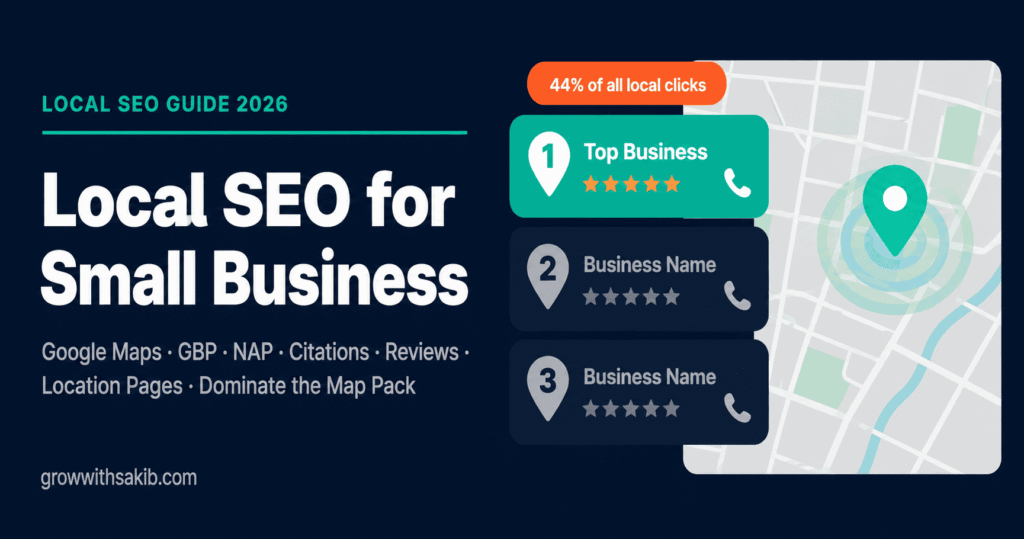

Dominating the Map Pack Search Results
Table of Contents
This includes your service name (precisely as it appears in the real life), total address with suite numbers, main contact number (local, not toll-free), website URL, business hours consisting of unique hours for holidays, and a comprehensive business description incorporating relevant keywords naturally. Select the most specific main category for your businessthis single selection carries significant ranking weight.
Add secondary categories that precisely explain extra services, however focus on precision over keyword stuffing. An oral practice might choose "Dental professional" as primary and add "Cosmetic Dentist" and "Emergency Situation Dental Service" as secondaries if those services are truly offered. Publish premium photos regularlybusinesses with photos receive 42% more ask for directions and 35% more click-throughs to their websites than those without.
Google's information shows that services publishing photos weekly see increased engagement, so establish a consistent publishing schedule rather than publishing whatever at once. If suitable, consist of 360-degree virtual trips, which Google highlights with special badges and which considerably increase engagement for location-based services like restaurants, hotels, and retail stores.
While posts end after seven days, maintaining an active publishing schedule signals to Google that your business is actively managed and engaged with clients. Posts also supply additional opportunities to incorporate appropriate keywords and calls-to-action that drive conversions. Allow all applicable qualities for your businessthese unique features like "wheelchair available," "free Wi-Fi," "outside seating," or "women-led" help your business appear in more particular searches and provide important information to possible customers.
[target2:anchor_exact1]Advanced Business Profile Management Strategies for SEO
Local citationsmentions of your business name, address, and phone number (NAP) on other websitesfunction as trust signals that verify your company's authenticity and location. Google cross-references details from hundreds of sources to confirm business information, making citation consistency a crucial ranking aspect. Inconsistencies develop confusion and erode trust in your service information.
These platforms disperse service information to hundreds of downstream directory sites, apps, and services, producing a multiplier result from a single accurate submission. Ensuring precision at the aggregator level avoids disparities from multiplying throughout the citation environment. Next, claim and optimize listings on industry-specific directories pertinent to your organization. A dining establishment should focus on Yelp, TripAdvisor, and OpenTable; an expert service ought to focus on industry associations and local chambers of commerce; a seller may emphasize shopping directories and evaluation platforms.
Keep best NAP consistency throughout all citations. Utilize the identical business name format, address structure, and telephone number all over. Even small variations"Street" versus "St.," including or leaving out suite numbers, formatting phone numbers differentlycan water down citation worth. Produce a recommendation file with your canonical NAP info and utilize it regularly across all platforms.
Local directory site environments differ substantially in between Singapore, Malaysia, Indonesia, and China, requiring market-specific methods rather than one-size-fits-all techniques. Reviews straight affect Map Load rankings through multiple systems: review amount, evaluation speed (how often you receive new evaluations), evaluation ratings, and evaluation recency all aspect into Google's prominence estimations. Beyond algorithmic results, reviews influence customer behavior93% of customers report that online reviews affect their purchasing choices, making review management both a ranking element and a conversion optimization strategy.
The most effective techniques incorporate review demands into existing customer touchpoints: post-purchase emails, service conclusion follow-ups, invoice e-mails, or consumer success check-ins. Timing mattersrequest examines when client satisfaction peaks, typically right away after a positive interaction or effective outcome. Make leaving evaluations simple and easy by providing direct links to your Google Service Profile evaluation page.
Leveraging Advanced Map Tools for Better ROI
Some organizations develop reduced URLs or QR codes that can be shared via numerous channels, from email signatures to printed materials at physical locations. Ensure team members understand they should never ever offer incentives for reviews (breaking Google's policies) but can emphasize how evaluations assist other clients make informed decisionsan method that resonates with community-minded customers.
Google's information recommends that companies reacting to evaluations see greater rankings, and consumers see services that respond as more trustworthy and customer-focused. Aim to react to every review within 24-48 hours while the discussion stays prompt and appropriate. For favorable reviews, reveal genuine gratitude and individualize reactions by referencing particular information from their review.
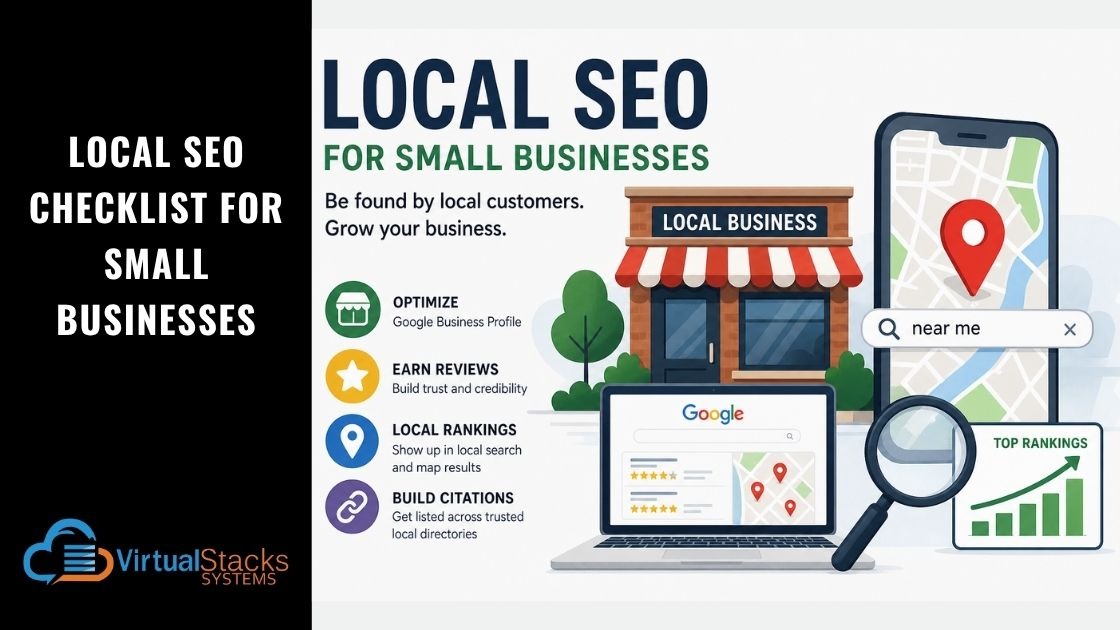
For negative reviews, react expertly and empathetically, acknowledge issues, and deal to fix issues offline. Your reaction speaks to possible customers reading the evaluation as much as to the customer themselves. Negative evaluations, while unpleasant, can really strengthen your company profile when dealt with effectively. A mix of reviews appears more genuine than perfect 5-star ratings, and thoughtful responses to criticism show accountability and client dedication.

Latest Posts

Capturing Nearby Search Results for 2026
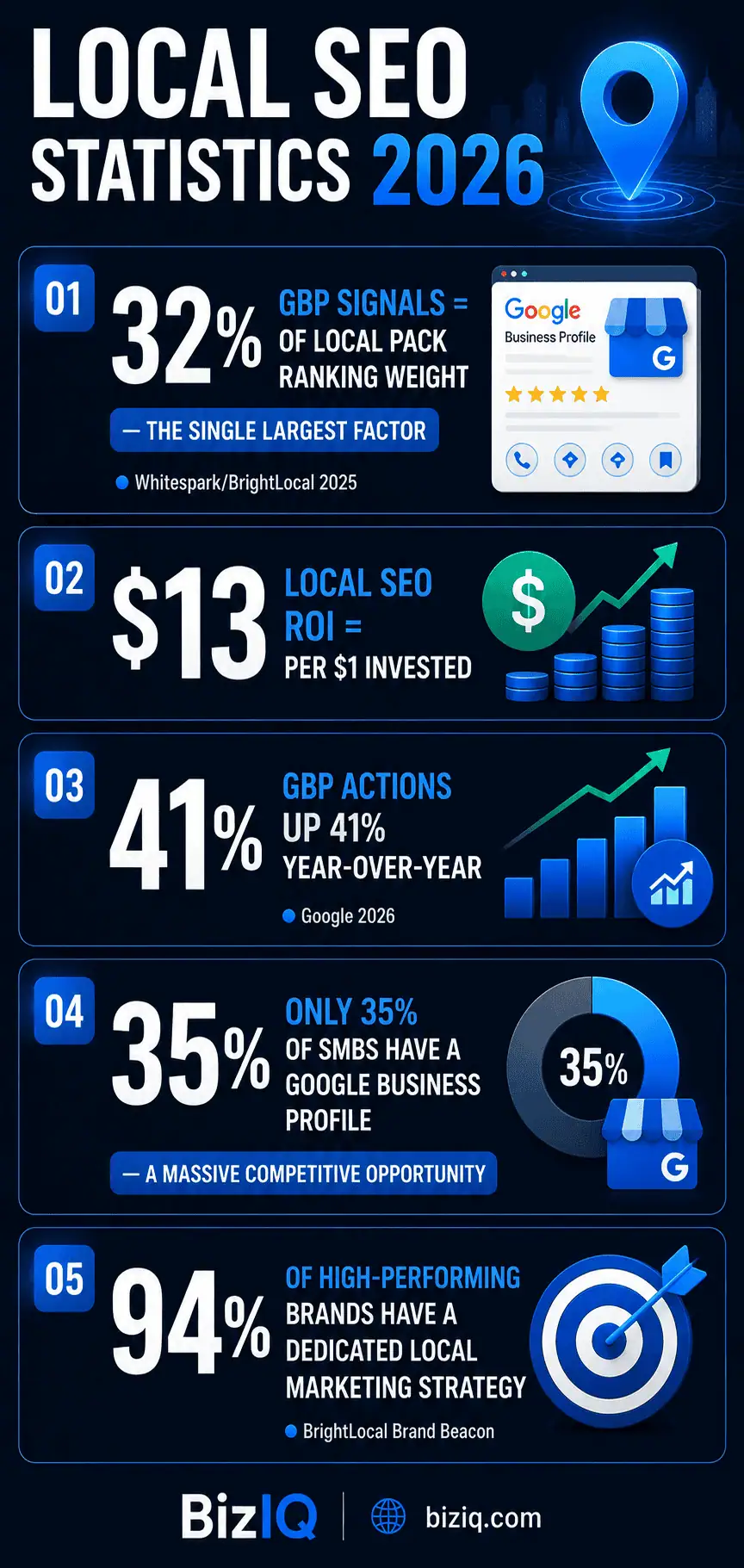
Advanced Business Profile Optimization Tactics for SEO

Growing Store Leads with 2026 Local SEO